

The phrase regulated payments may sound dry, but it touches the very point at which an online casino account becomes real: the deposit, the withdrawal, and the identity check between them. A payment screen is not merely a convenience; it is a test of trust, restraint, and record-keeping. As of August 22, 2026, the safer reading is a cautious one: payment choice should be judged less by speed alone and more by verification, transparency, fees, limits, and the player’s ability to pause before spending more than intended.
For iGaming players, the payment question has become less romantic than practical, which is no bad thing. One should ask whether a method gives clear statements, whether the operator explains withdrawal rules before a deposit is made, and whether account controls can prevent hasty spending. The better payment experience is not the one that removes every moment of reflection; it is the one that makes lawful, traceable, and personally manageable play easier.
Regulated Payments And Player Protection
Regulated Payments Signals To Check
Regulated payments are most useful to players when their protections are visible before money moves. A clear cashier page should allow a user to see available deposit and withdrawal methods, any identity checks that may apply, the time window for withdrawals, and the conditions that could delay a payout. If a casino makes the deposit route plain but leaves the withdrawal route obscure, the imbalance deserves attention.
There is a temptation to treat payment friction as an irritation. That view is too simple. In gambling, a short pause may serve a sensible purpose. Identity confirmation, source checks, or added authentication can feel tedious, yet they may also reduce account misuse and fraud. The player’s interest is not served by a system that accepts money instantly but asks serious questions only after a withdrawal request.
Responsible gambling also belongs in the payment discussion. A player can set a private spending rule before logging in, keep gambling funds separate from household obligations, and avoid treating a pending withdrawal as a reason to deposit again. Where account tools exist, deposit limits, cooling-off periods, and self-exclusion settings should be considered payment safety features rather than afterthoughts.
What Consumer Payment Data Suggests
The Payment Mix Is Not Static
Consumer behaviour gives useful context for casino cashier design. In 2025, U.S. consumers made an average of 47 payments per month, down from about 48 in the previous year, while average monthly spending per consumer declined from about US$6,867 to US$6,656, according to the Atlanta Fed survey. The same source reported that 81% of consumers had used cash in the prior 30 days in 2025, down from 83% in 2024, while check usage fell from 35% to 33%.
These figures do not tell us which casino payment option is best. They do show that payment habits move gradually, not magically. A casino that presents a single fashionable option as the obvious answer may be serving its own operational preference, not the player’s need. The sounder approach is to compare methods by control, auditability, reversibility, and the likelihood of delay during withdrawal review.
For iGaming, declining cash and check usage also have a plain consequence: more of the player’s gambling record may sit inside digital systems. That can help with statements and dispute trails, but it also raises the stakes for account security. Strong passwords, two-factor authentication where available, and careful monitoring of transaction notifications are not ornamental habits. They are part of the payment decision.
| Payment Area | Player Question | Protective Reading |
|---|---|---|
| Cards | Are limits, fees, and decline reasons clear? | Clarity matters more than speed. |
| Bank-Based Transfers | Can the player trace the payment and withdrawal? | Records should be easy to retain. |
| Stablecoins | What identity checks and asset rules apply? | Regulation and compliance status matter. |
| Any Method | Can spending be limited before play? | Personal limits should come first. |
Stablecoins, Identity Checks, And Casino Risk
The Stablecoin Question
Stablecoins have drawn particular attention because they sit between digital asset markets and ordinary payment expectations. On June 18, 2026, the U.S. Federal Reserve proposed extending customer identification program requirements to issuers of payment stablecoins under the GENIUS Act, with requirements intended to mirror those already imposed on banks, as described in a Federal Reserve statement. The cited statement supports the proposal itself; it does not establish, from that source alone, how every casino or payment provider had implemented such requirements by August 22, 2026.
For casino users, that uncertainty is the lesson. A stablecoin option should not be treated as a shortcut around verification. If an operator offers such a method, players should expect questions about identity, account ownership, and withdrawal eligibility. Regulated payments in this area may reduce ambiguity over time, but they may also increase documentation requests, especially where the operator, issuer, and player are not in the same jurisdiction.
The prudent player asks dull questions early. Which asset is accepted? Is the payment final once sent? How are mistaken transfers handled? Does the casino require the withdrawal to return through the same route? What happens if the asset later faces compliance restrictions? If those answers are absent, the supposed convenience has not been proven.
Practical Payment Checks Before Depositing
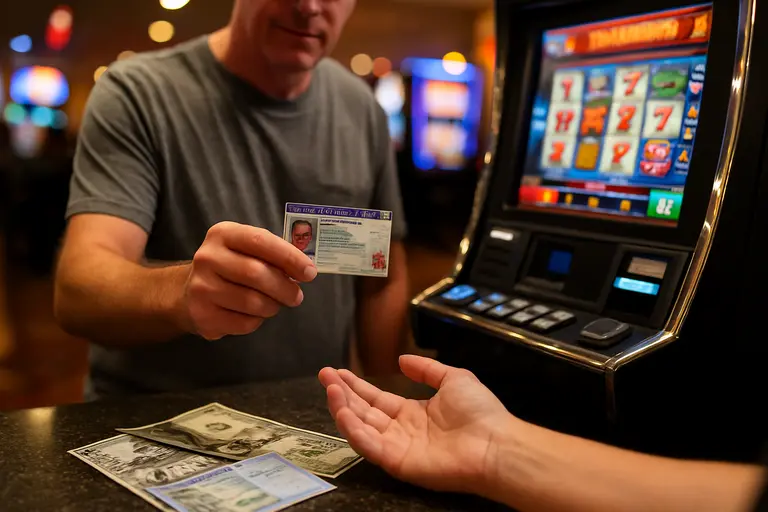
Deposit And Withdrawal Friction
A deposit page is usually designed to be agreeable. A withdrawal page is where the sterner character of an operator appears. Before depositing, a player should read the withdrawal section, not merely the promotion page. Bonus terms are especially relevant: wagering requirements, game contribution rules, expiry dates, identity checks, and maximum withdrawal provisions may affect access to funds. If a bonus number cannot be verified in official terms, it should not guide the payment choice.
Payment method selection should also be matched to session planning. A person who wishes to limit gambling to a fixed entertainment budget may prefer a method that makes overspending less convenient. Instant access can be useful for ordinary commerce; in gambling, it can also shorten the interval in which a player might reconsider. The safer question is not “How fast can I deposit?” but “Can I stop at the amount I set?”
- Read withdrawal rules first: Confirm whether the same method must be used for cashout and whether verification is required.
- Keep records: Save payment confirmations, casino transaction histories, and any support correspondence.
- Set a session amount: Decide the maximum spend before opening the cashier, then treat that figure as fixed.
- Avoid chasing delays: A pending withdrawal should not become a reason for another deposit.
- Check market context cautiously: For adjacent casino revenue and compliance discussion, refer to Vegas Revenue, a related site in the same network.
Players should also be alert to mismatched names, unclear processor descriptions, or sudden requests to change withdrawal routes without adequate explanation. None of these signs proves wrongdoing on its own, but each invites a pause. A trustworthy payment process should become clearer as one reads; it should not grow foggier.
What Regulated Payments Mean For Casino Accounts
A Sensible Reading For Players
Regulated payments will not make gambling safe by themselves, nor will they remove the house edge, personal risk, or the need for self-control. Their value lies in structure: identification, records, fraud checks, and clearer duties for payment participants. The player’s task is to use that structure wisely, rather than mistaking speed for quality.
The most sensible casino payment method is the one that fits a lawful jurisdiction, supports clear verification, gives traceable records, and helps the user remain within a chosen limit. If a method promises ease but leaves identity, withdrawal timing, or compliance status uncertain, the player has reason to wait. In this sober corner of iGaming, hesitation is not weakness; it is often the finest protection available.
Leave a Reply