
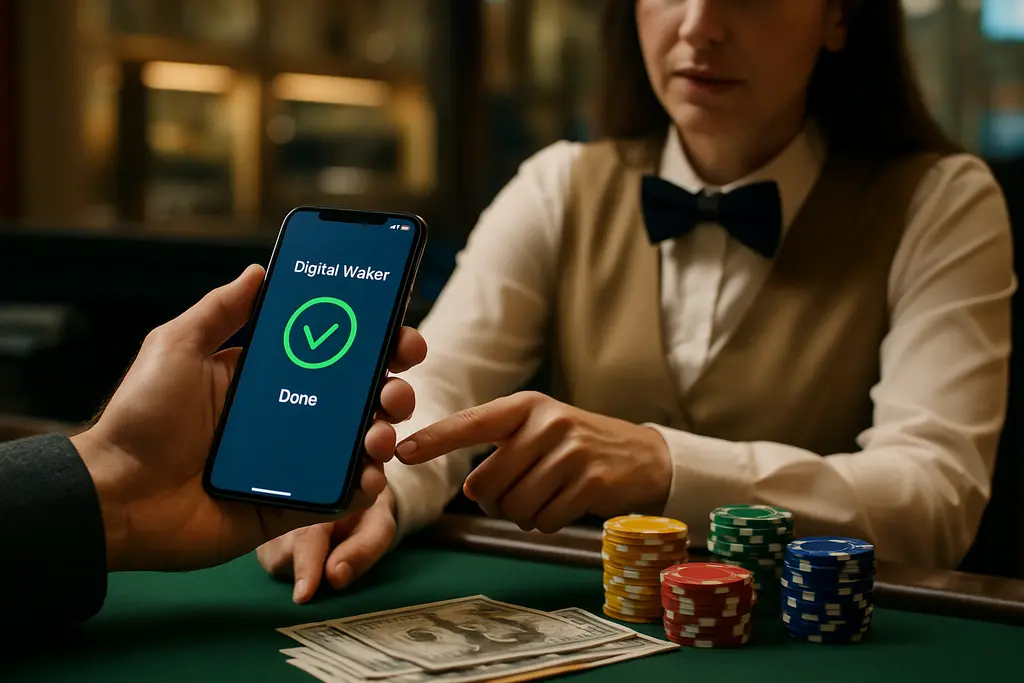
Digital Wallets are becoming a more common payment choice for online gambling customers, and the bankroll-management case is easy to understand: a separate payment layer can make deposits, withdrawals, and spending records easier to review. That does not make casino play safer by itself. A wallet is only a tool. The player still has to set limits, read cashier rules, and stop before entertainment spending becomes financial pressure.
I look at casino payments the same way I look at table stakes: the structure matters before the first bet is placed. If the payment method makes it too easy to reload without thought, it can work against a disciplined bankroll. If it helps isolate gambling money from rent, bills, and savings, it can support better control.
Why Digital Wallets Are Gaining Payment Share
Player Preference Is Moving Toward Wallets
Paysafe’s April 2026 “All the Ways Players Pay” study reported that 38% of global sports bettors preferred wallet payments for deposits and withdrawals, rising to 44% in the United States, according to Paysafe’s payments study. The same study found that 82% of players said payment options significantly influenced whether they kept using a sportsbook, while 42% globally ranked fast and easy payouts as their top priority.
Those figures do not prove that every online casino customer should use a wallet. They do show that payment experience has become part of retention. From a player-protection angle, that creates both value and risk. Fast deposits can reduce friction, but lower friction can also make repeat funding feel too casual. Fast withdrawals may help players remove funds from the casino account, but only if the player actually cashes out rather than recycling the balance into more play.
Speed Should Not Replace Budget Rules
A quick payment method is useful only after a player has decided what the session budget is. I prefer a simple rule: decide the entertainment amount before logging in, fund only that amount, and do not top up during the same session. This approach is not exciting, and that is exactly the point. Payment design should slow down harmful impulses, not dress them up as convenience.
Wallets can also make recordkeeping easier if the player uses one wallet only for gambling. A separated account history can show deposit frequency, withdrawals, and repeat funding patterns. That evidence is more useful than memory, especially after long sessions or multiple short mobile visits.
Bankroll Controls Inside Wallet-Based Casino Payments
Digital Wallets And Session Boundaries
Digital Wallets can support a cleaner bankroll boundary when they are used as a fixed funding container. For example, a player can load a predetermined amount into the wallet and treat that as the maximum casino budget for the week or month. If the wallet balance reaches zero, play stops. That rule is stronger than saying “I will be careful,” because it connects behavior to a visible balance.
The best bankroll habits are boring by design. Set a deposit ceiling. Set a time ceiling. Decide what portion, if any, of a withdrawal can be used in a later session. If a casino app includes deposit limits, reality checks, cooling-off periods, or self-exclusion tools, use them before play begins. Payment discipline and safer gambling tools work better together than either one alone.
Fees, Payout Timing, And Cashier Terms
Wallet payments may still involve costs, withdrawal rules, processing windows, identity checks, or operator-specific restrictions. A player should check the cashier page before depositing, not after requesting a withdrawal. The key questions are plain: Is there a deposit fee? Is there a withdrawal fee? Are there minimum or maximum transaction amounts? Does the operator require verification before cashout? Are withdrawals returned to the same method used for deposit?
These questions sound administrative, but they affect bankroll quality. A method that is quick for deposits but slow or limited for withdrawals can encourage money to stay inside the casino account. That is not ideal for disciplined play. As a rule, I prefer payment setups that make it easy to remove funds from the gambling environment once a session ends.
Regulation, Credit Funding, And Player Protection
The UK Credit-Card Rule Shows The Risk
In Great Britain, the Gambling Commission states that gambling with credit cards is banned, including through an e-wallet, and operators must make sure accepted e-wallets prevent credit-card-funded gambling deposits, as explained in the Gambling Commission’s e-wallet guidance. That rule is a clear reminder: the source of wallet funds matters. A wallet funded by borrowed money can weaken bankroll limits and hide debt from the player’s immediate view.
Players outside Great Britain should still treat that principle as sound risk control. Gambling funds should come from disposable entertainment money, not credit, loans, overdrafts, or money needed for household commitments. If a wallet makes the funding source less visible, the player needs to check it more often, not less.
Security Checks Are Part Of The Deal
Some players view identity checks as a nuisance. I see them as part of regulated payment hygiene. Verification can delay withdrawals, but it can also support fraud prevention and account integrity. The practical move is to complete verification early, keep account details consistent, and avoid using payment methods that belong to someone else. If names, addresses, or funding sources do not match, a payout can slow down or fail.
For players comparing casino payment interfaces, our related analysis of casino wallet UX shifts looks at how app design can shape deposit behavior. Interface choices matter because the cashier is not just a technical screen; it is where spending decisions are made.
Practical Wallet Rules For Casino Bankroll Management

A Pre-Deposit Checklist
Before using a wallet at an online casino, I would run through a short checklist. It keeps the decision grounded in numbers rather than mood.
- Set the bankroll first: decide the amount that can be lost without affecting bills, savings, or debt payments.
- Use one payment lane: avoid spreading deposits across cards, bank transfers, and wallets, which can hide total spend.
- Check withdrawal terms: review minimums, maximums, timing, verification, and whether the casino returns funds to the original method.
- Separate play from recovery: do not deposit again to chase a previous session’s result.
- Move withdrawals away: once paid out, transfer funds out of the gambling wallet if they are no longer part of the entertainment budget.
This is also where game choice matters. A payment method cannot fix a poor game fit. Players who split time between slots, table games, and poker-style formats should match bet size to bankroll depth. For card-game research outside this payment discussion, resources on video poker games can be useful as a separate study point, but payment limits still need to come first.
Warning Signs In Wallet Use
A wallet can reveal risky patterns if the player is willing to look. Multiple deposits in one evening, deposits that rise after losses, use of borrowed funds, or irritation when a payment is delayed are all signals to stop and reassess. None of these patterns prove a gambling disorder, but they are enough reason to use a cooling-off tool or contact a qualified support service in the player’s jurisdiction.
Digital Wallets should not be treated as a way to make gambling feel frictionless. In a well-managed setup, they create a clear budget lane, a visible transaction trail, and a cleaner exit point after withdrawals. If they start making deposits feel automatic, the player should remove the method, lower limits, or stop play.
Digital Wallets For Controlled Online Casino Payments
The rise of Digital Wallets in gambling payments is not automatically good or bad. The value depends on how the player uses the tool and how the operator designs the cashier flow. Faster payouts, clearer records, and separated bankrolls can support safer habits. Instant deposits, saved credentials, and weak personal limits can push the other way.
My cautious view is simple: use wallet payments only if they improve control. If they reduce awareness, avoid them. A good casino payment method should help you decide how much to risk before play starts, show what happened after the session ends, and make it easy to walk away with your bankroll plan intact.
Leave a Reply