
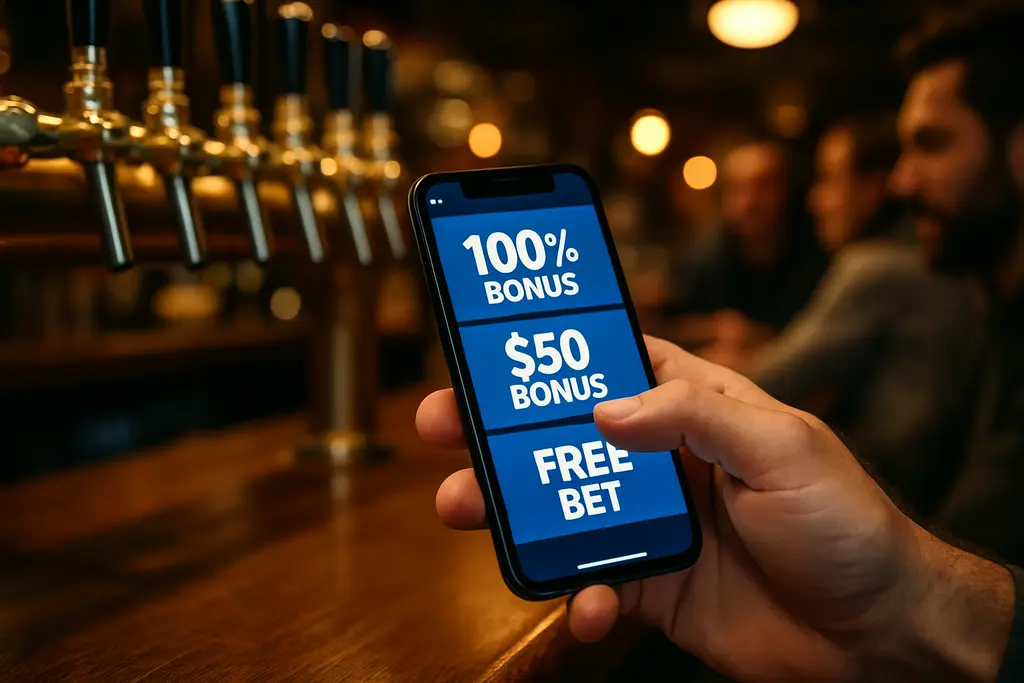
Ohio Bonus Terms became a sharper consumer-protection issue after Rule 3775-16-09, titled Promotions and bonuses, took effect on October 26, 2024. The rule applies to sports gaming proprietors, so casino readers should treat it as a sports-betting standard rather than a blanket rule for every casino offer. Still, the direction is clear: bonus language should tell patrons what an offer costs, who can use it, what limits apply, and whether their own deposited money remains accessible.
That may sound basic. Yet bonus wording has long been an area where a headline can feel larger than the terms beneath it. Ohio’s newer promotional framework pushes against that pattern. It does not promise that every patron will read every condition. It does require operators to put clearer conditions in front of the public and avoid claims that could mislead a reasonable consumer.
What Ohio Bonus Terms Require From Operators
Rule 3775-16-09 says promotion or bonus rules must be clear and unambiguous. The rule lists required content, including the active date and time, rules of play, nature and value of the prize, eligibility, wagering or redemption requirements, eligible events or wagers, cancellation terms, and transparent, concise, accurate terms and conditions. Those requirements are stated in the Ohio Administrative Code’s rule on promotions and bonuses.
How Ohio Bonus Terms Treat Free Claims
The treatment of the words “free” and “risk-free” is one of the most practical pieces of the rule. Ohio’s rule says a promotion described in those ways must not require a patron to risk their own money or incur a loss to use the promotion or withdraw winnings from it. That standard matters because the phrase can otherwise give an offer a cleaner appearance than the actual mechanics support.
For players, Ohio Bonus Terms create a useful reading habit: look past the headline and check whether the offer requires a real-money stake, a losing wager, a qualifying event, or a narrow redemption path. If any of those pieces exists, the label should match the mechanics. The safer consumer view is simple. A promotion is not meaningfully no-cost if a patron must expose deposited funds before the offer has value.
Withdrawal Rights And Patron Funds
The rule also draws a line around patron funds. Operators may require bonus or promotional funds to be played through before withdrawal. They may not stop patrons from withdrawing their own deposited funds or winnings generated with their own funds. This is a key protection because bonus credits can blur the distinction between the operator’s promotional value and the patron’s money.
A cautious player should separate the two categories before accepting an offer. Promotional funds can carry redemption steps. Deposited money should not be trapped merely because a bonus was attached. That distinction is one reason bonus transparency coverage, such as this related analysis of bonus transparency disputes, keeps returning to wagering terms rather than headline values.
Consumer Targeting Limits In Ohio Promotions
Ohio’s promotional approach also addresses who receives offers. The rule bars promotions from targeting people under 21, people ineligible under law, people with gambling problems, or other vulnerable individuals. Offers must be extended only to people age-verified as 21 or older and not listed in Ohio’s Voluntary Exclusion Program. This turns bonus compliance into more than an advertising issue. It becomes an account-screening and audience-selection issue.
Age Verification And Exclusion Filters
Ohio Bonus Terms also matter because promotional design can reach people faster than they can assess risk. A push notification, email, or app banner can prompt action before a patron has reviewed the conditions. Filters for age, eligibility, and exclusion status are not decorative controls. They are part of the safety structure around an offer.
From a player-protection standpoint, these rules ask operators to avoid treating all account holders or all website visitors as equal targets. Some people should not receive inducements at all. Others may need clearer information before deciding whether a bonus fits their limits. Operators still need sound systems behind the wording, since a well-written offer can still harm users if it reaches the wrong audience.
Why Non-Gambling Purchase Triggers Were Treated Differently
Ohio regulators also addressed promotions triggered by unrelated consumer transactions. A Commission FAQ described concern about sports gaming promotions based on non-gambling purchases with an affiliate company, including offers sent after a purchase through an affiliate website, application, email, mail, or other direct communication. The Commission directed those promotions to stop by July 7, 2023, according to the state’s promotional FAQ.
This is a notable boundary. A consumer who buys a meal, ticket, subscription, or retail product may not expect that purchase to generate a targeted sports gaming inducement. The concern is not merely whether the bonus terms are readable. It is whether the trigger itself uses unrelated consumer activity to steer someone toward gambling. That is a different risk profile from a patron who voluntarily visits a licensed sportsbook platform and reviews posted offers.
Player Checks Before Accepting A Bonus

A cautious reading of Ohio Bonus Terms points toward a practical checklist. Players should not treat any promotion as valuable until they understand the mechanics. The rule tells operators what must be disclosed, but users still benefit from checking each condition before opting in.
- Confirm eligibility: Check age, location, account status, and any exclusion or restriction language before accepting.
- Read the active dates: A bonus can lose value if the claiming window or redemption window is short.
- Separate bonus funds from deposited funds: Promotional funds may carry playthrough rules, but deposited funds should not be confused with credits.
- Check eligible wagers or events: Some offers apply only to specific wager types or events, which can change the true utility of the offer.
- Review cancellation terms: Operators must disclose cancellation terms, and players should know what action could void an offer.
These checks do not make gambling safer by themselves. They reduce avoidable confusion. A person who cannot comfortably explain a promotion’s cost, time limit, withdrawal path, and eligibility limits should consider declining it. No bonus is worth overriding a deposit limit, loss limit, cooling-off decision, or self-exclusion choice.
Readers comparing broader online gambling coverage can also explore similar resources available for more detailed analyses, such as the online gambling site network. However, Ohio-specific decisions should be checked against Ohio’s own rules and operator terms. Jurisdiction matters. A bonus that is lawful or structured one way in one state may be limited or unavailable in another.
Ohio Promotional Guidelines And Bonus Safety
The newer Ohio framework is best understood as a disclosure and targeting model. It does not remove the risk of gambling losses. It does not mean every offer is suitable for every eligible adult. It does set firmer expectations around clarity, no-cost language, withdrawal access, vulnerable-person protections, and non-gambling transaction triggers.
For operators, the message is that bonus design should begin with the conditions, not the headline. For patrons, the safer response is to treat every bonus as a contract with limits. Ohio Bonus Terms are most useful when they slow the decision down: read the rules, check whether personal funds remain withdrawable, confirm the offer was aimed at an eligible adult, and step away if the promotion creates pressure to wager more than planned.
Leave a Reply